Buyers often treat Incoterms as a pricing option: one cargo, three quotations, choose the cheapest-looking line. The habit tends to fail at the worst moment. A term decides three different things — who pays for each leg, where the risk of loss passes, and who must actually arrange each step. Being willing to pay for something is not the same as being able to organise it.
Paying for freight is not carrying the risk
Under CFR and CIF the seller pays the sea freight, yet risk transfers once the goods are on board at the load port. A buyer who reads “freight included” as “the seller bears the voyage” has misread the term. CIF adds insurance, but only to the minimum level the rules require — often less cover than a commodity buyer would choose. If wider cover is wanted, the contract has to state it.
DAP keeps risk with the seller as far as the named place, which makes it attractive to buyers on an unfamiliar route. It is also why a seller should not offer DAP into a market whose permits, inland haulage and customs practice it does not know. Import clearance stays with the buyer under DAP, and in Indonesia that means an importer holding the right import identification and, for regulated goods, the right approvals. A cargo that reaches Tanjung Priok or Tanjung Perak with the wrong importer on the paperwork can sit in the terminal accruing storage while each side waits for the other.
Vessel terms and container terms are different tools
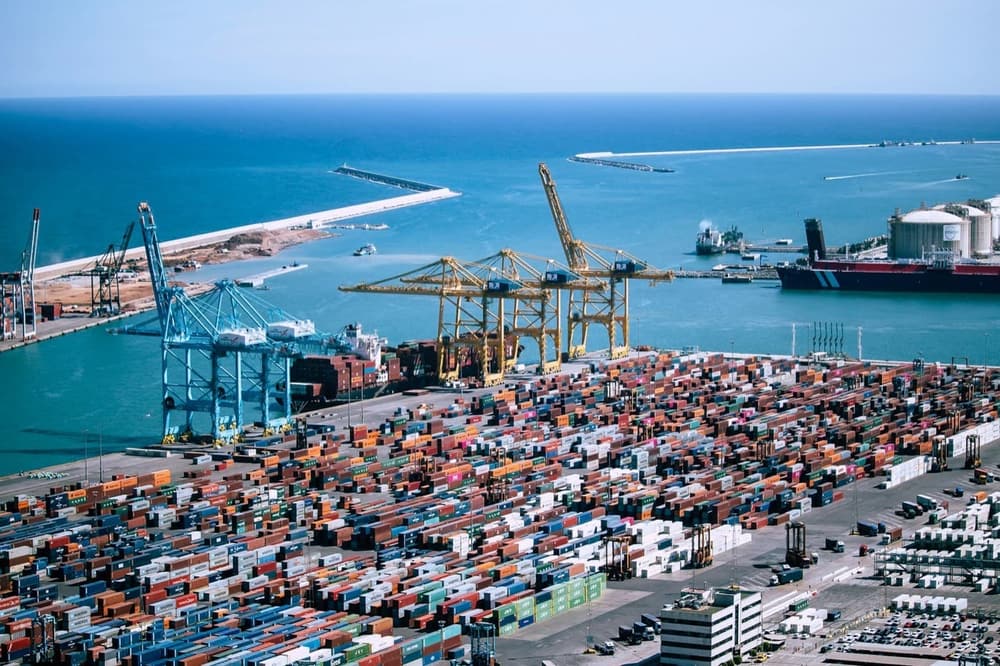
FOB, CFR and CIF were drafted for goods loaded on board a ship. For a container handed to a carrier at a terminal, FCA and CPT describe what actually happens: the seller has delivered when the box is handed over, not when it is lifted aboard days later. Quoting FOB for a container opens a gap between the term and the operation, and that gap is where insurance claims get argued.
- Bulk or breakbulk on a chartered vessel: FOB, CFR or CIF, with laycan, load and discharge rates and demurrage written in.
- Container cargo on a liner service: FCA, CPT or DAP, with the delivery terminal identified exactly.
- A new route or an untested counterparty: whichever term leaves control with the party that has already shipped that lane.
Name a place that can physically receive the cargo
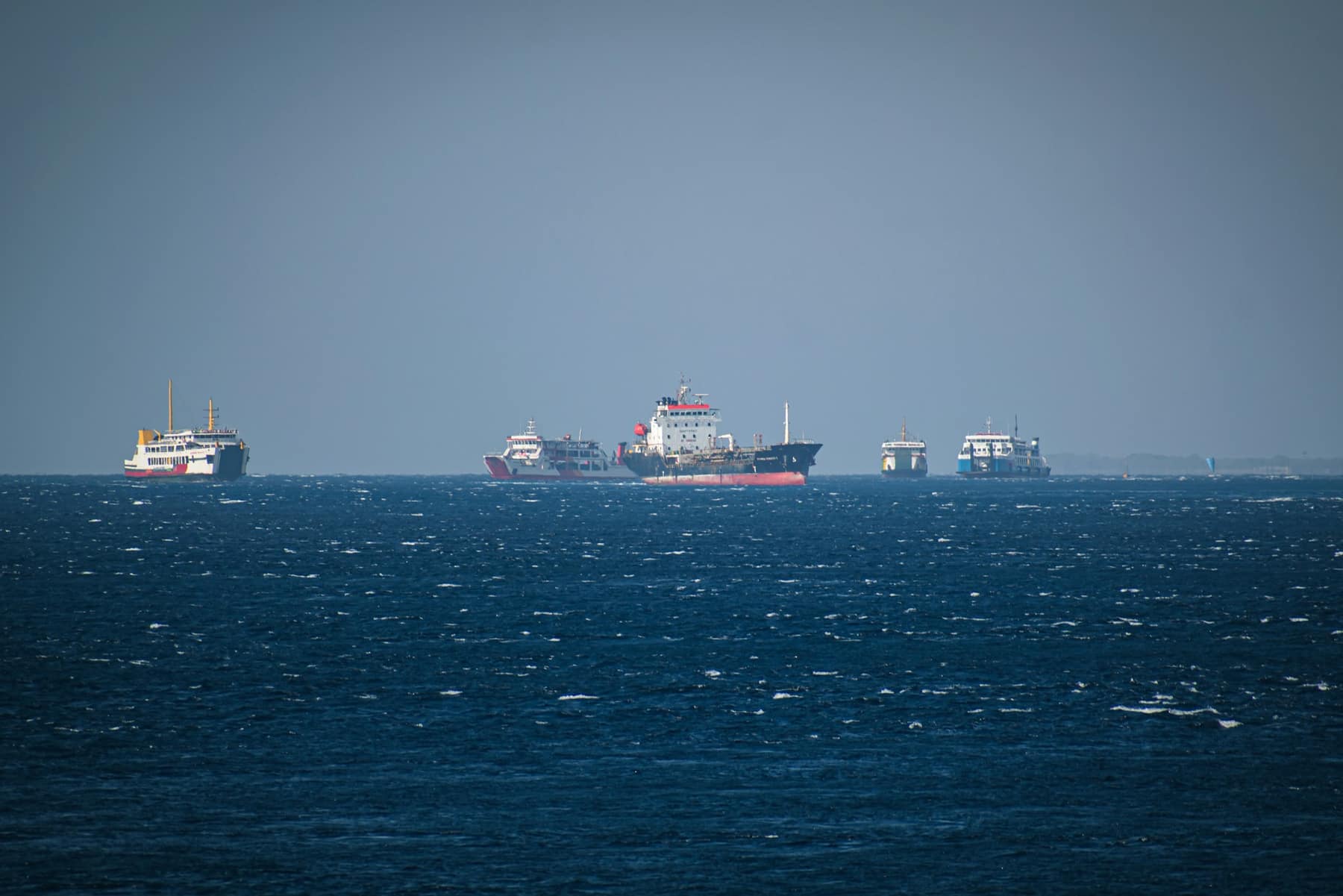
Every term is followed by a named place, and an imprecise one undoes the term. “CIF Indonesia” cannot be performed. “CFR Benoa” prompts the question of whether the vessel can berth there at all, since a smaller port limits draught and vessel size. In an archipelago, many destinations are reached only by transhipment onto smaller ships or barges at Surabaya, Belawan or a mining jetty — and whoever owns that transhipment leg needs to be named. Under DAP, goods are delivered ready for unloading, so unloading cost and risk sit with the buyer unless the contract says otherwise.
Design the term and the payment together
A letter of credit that calls for a shipped-on-board ocean bill of lading is awkward to satisfy under a term where the seller's delivery ends before loading. A term that commits the seller to deliver far inland may leave it unable to present an acceptable transport document within the presentation period. The Incoterm, the required documents and the credit conditions belong in one conversation, before the credit is opened. For shipments within ASEAN, that conversation should also cover the certificate of origin needed to claim preferential duty.
The working test is plain. For every obligation the term gives you — booking, loading, insuring, clearing, transhipping, hauling, unloading — ask whether you have done it on this route before. If not, choose the term that passes that obligation to the party who has, or price the learning honestly.